Carbon Credits and the Benefits of the Carbon Credit Market in VietnamJan 14, 2025
Forests are often referred to as the "green lungs" of the Earth, playing a crucial role in absorbing CO2, one of the main greenhouse gases responsible for the greenhouse effect and climate change. Many important solutions to protect forests that the international community has been striving to implement include the use of forest carbon credit standards. The area of forests worldwide is continuously shrinking due to various reasons such as logging, wildfires, and agriculture. This leads to increased levels of CO2 in the atmosphere, accelerating climate change with serious consequences such as droughts, floods, rising sea levels, and impacts on human life and ecosystems. Recognizing the importance of forest protection, carbon credit standards are currently considered a critical solution.
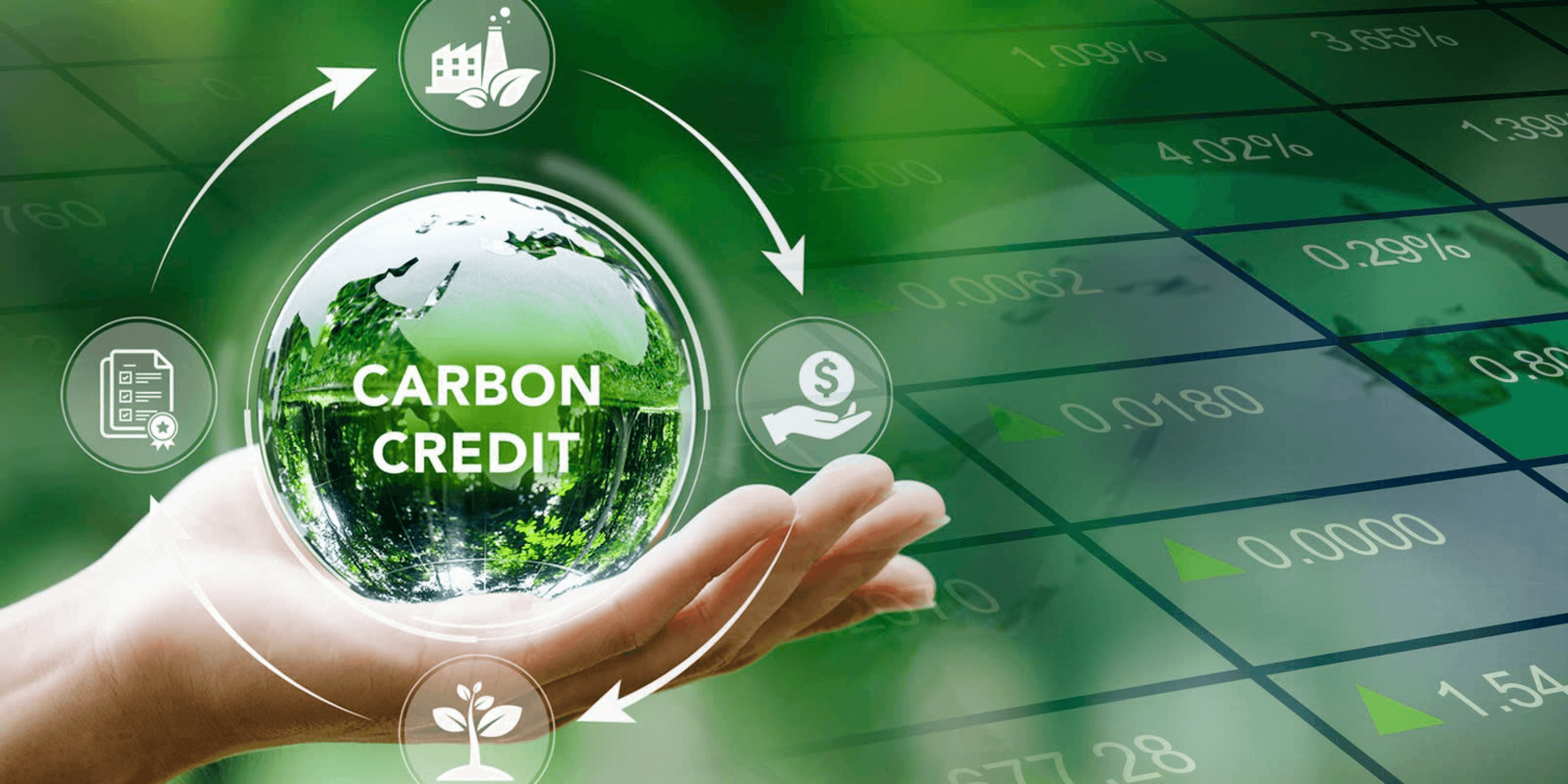
What is Carbon Credit? Carbon credit is a certificate for commercial transactions that represent the right to emit greenhouse gases, specifically CO2. They signify the right to emit one ton of CO2 or an equivalent amount of another greenhouse gas (tCO2e) into the atmosphere. Carbon credits are licenses or certificates that can be bought and sold, granting the holder the right to emit one ton of carbon dioxide or an equivalent of another greenhouse gas. The main goal of creating carbon credits is to reduce the emission of carbon dioxide and other greenhouse gases from industrial activities to mitigate the impacts of global warming.
What is the Carbon Credit Market? The carbon credit market is a trading system that allows organizations to buy and sell the rights to emit greenhouse gases, specifically CO2. Companies or individuals can use the carbon market to offset their greenhouse gas emissions by purchasing carbon credits from entities that reduce or eliminate greenhouse gas emissions. One carbon credit is equivalent to one ton of carbon dioxide or the equivalent amount of another greenhouse gas that has been mitigated. When a credit is used to mitigate, sequester, or avoid emissions, it becomes an offset and can no longer be traded.
History of the Carbon Market The carbon credit market originated from the Kyoto Protocol of the United Nations on climate change, adopted in 1997. According to the Kyoto Protocol, countries with surplus emission rights can sell them to or buy from countries that exceed their emission targets. This created a new commodity in the world: certificates for reducing or sequestering greenhouse gas emissions. Since carbon is the equivalent greenhouse gas for all greenhouse gases, these transactions are generally referred to as trading carbon, leading to the formation of the carbon market or carbon credit market.
There are two main types of markets:
- Mandatory Carbon Market: A market where carbon trading is based on the commitments of countries under the United Nations Framework Convention on Climate Change (UNFCCC) to achieve greenhouse gas reduction targets. This market is compulsory and mainly caters to projects under the Clean Development Mechanism (CDM), Sustainable Development Mechanism (SDM), or Joint Implementation (JI).
- Voluntary Carbon Market: Based on bilateral or multilateral agreements between organizations, companies, or countries. Buyers of credits engage in transactions voluntarily to meet environmental, social, and governance (ESG) policies to reduce their carbon footprint.
How Does the Carbon Credit Market Operate? Carbon credit trading is managed by governments or international organizations responsible for setting limits on the amount of greenhouse gases (measured in CO2 equivalents) that can be emitted. Consequently, businesses are allocated a specific amount of carbon that they can emit each year. If they exceed this limit, they need to buy carbon credits or offset their emissions. If they stay within the limits, they can sell unused carbon credits to businesses that need them.
Some Benefits of the Carbon Credit Market Include:
- Promoting Sustainable Development: The carbon market generates new income sources for projects and activities that reduce emissions, such as afforestation, forest protection, and renewable energy development.
- Encouraging International Cooperation: Countries can trade carbon credits with one another, providing developing nations with additional resources to fulfill their climate commitments.
- Reducing Greenhouse Gas Emissions: The carbon market creates economic incentives for businesses to reduce their greenhouse gas emissions. Companies can purchase carbon credits from other sources if they exceed their allocated emissions, encouraging them to invest in cleaner, more efficient technologies.
- Transitioning to a Carbon-Neutral Economy: As carbon prices rise, businesses are likely to shift towards renewable energy sources and lower-emission production methods.
- Enhancing Economic Efficiency: A cost-effective policy tool for reducing greenhouse gas emissions.
- Increasing Transparency: Strengthening transparency and efficiency in managing greenhouse gas emissions.
- Improving Image: Owning forest carbon credits demonstrates an organization's commitment to environmental protection and sustainable development.
- Like other investment markets, forest carbon credits rely on standards that help participants understand, compare, and consider investments. In practice, these forest carbon credit standards will clarify several issues:
- Ensuring Transparency and Reliability: Standards help accurately determine the amount of greenhouse gases mitigated by a project, thereby ensuring reliability in the carbon credit market.
- Encouraging Investment in Forest Protection Projects: Standards create a transparent and safe investment environment, attracting investment into forest protection and reforestation projects.
- Contributing to Climate Change Mitigation: Standards promote the reduction of greenhouse gas emissions, contributing to the response to climate change—one of the greatest global challenges.