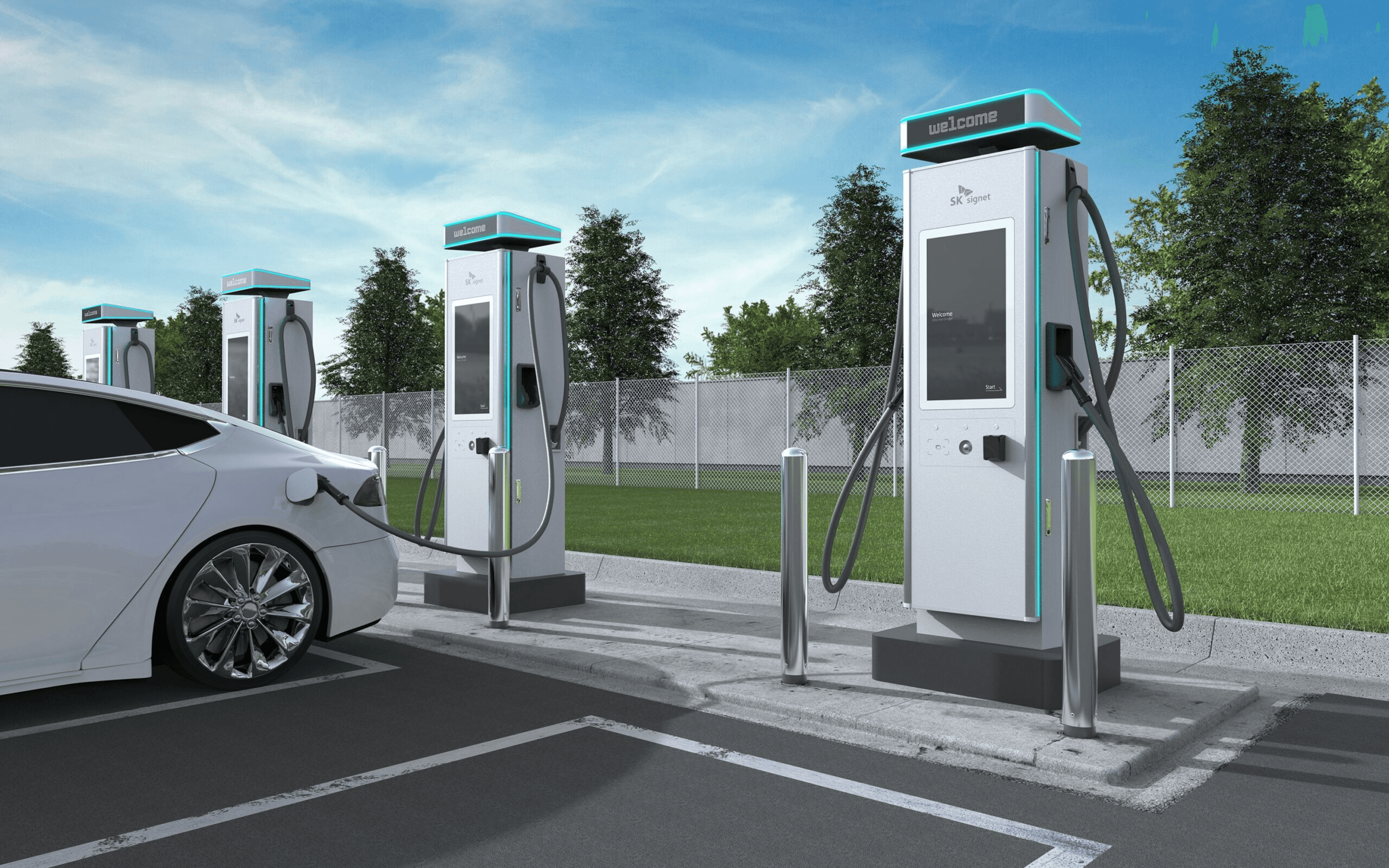
How EV Charging Stations Support Vietnam’s Sustainability GoalsJan 14, 2025
The development of electric vehicle (EV) charging stations in Vietnam is more than just an infrastructure project—it represents a critical step in the nation’s journey toward sustainable growth. As Vietnam sets a goal of reaching net-zero emissions by 2050, expanding EV use and building a robust charging network will be essential in reducing greenhouse gas emissions and protecting the environment.
1. Environmental Benefits of EV Adoption in Vietnam
Adopting EVs can significantly improve air quality, especially in densely populated cities like Hanoi and Ho Chi Minh City, where vehicle emissions are a major contributor to pollution. By creating an expansive network of charging stations, Vietnam helps to alleviate “range anxiety” for EV users, encouraging more people to shift from traditional fuel-powered vehicles to electric ones. This shift is crucial for reducing the country’s carbon emissions, aligning directly with national environmental goals.
Establishing a network of EV charging stations addresses both immediate and long-term needs, opening the door to a more sustainable transportation ecosystem. As EV infrastructure becomes more accessible, the public’s demand for EVs is expected to increase, further supporting the goal of a greener transportation network.
2. The Role of Renewable Energy in EV Charging Stations
For EVs to reach their full environmental potential, charging stations themselves need to be powered by renewable energy. Vietnam has abundant renewable energy resources, such as solar and wind, and incorporating these into EV charging stations could reduce the load on the national grid, which still relies heavily on fossil fuels. Solar-powered EV charging stations, for instance, not only align with Vietnam’s green goals but also represent a long-term economic benefit.
Collaborations between renewable energy providers and EV manufacturers, such as VinFast, can help realize this vision through pilot projects and scaled deployments. Combining renewable energy with EV infrastructure amplifies the green impact and aligns with Vietnam’s commitment to a cleaner, sustainable energy future.
3. Vietnam’s Net-Zero Target and Green Growth Strategy
The development of EV infrastructure is an essential element of Vietnam’s Green Growth Strategy. The government has rolled out various incentives to promote EV production and usage, including tax reductions and subsidies for both consumers and manufacturers. These incentives not only help the EV market grow but also support the broader national strategy to cut carbon emissions and drive sustainable growth.
As EVs and their charging infrastructure become more widespread, they contribute to a larger picture of national environmental preservation. Expanding the EV network opens up economic opportunities, attracting both local and international investments in sustainable projects, which align with Vietnam’s long-term green development goals.
4. Improving Urban Air Quality and Reducing Dependence on Fossil Fuels
Expanding EV infrastructure has the added benefit of improving urban air quality. By reducing the number of fossil-fuel-powered vehicles on the roads, EVs can help lower the levels of harmful pollutants, leading to fewer respiratory illnesses and enhancing the quality of life for city dwellers. This also aligns with Vietnam’s larger goal of achieving a healthier and more sustainable urban environment.
Furthermore, as EV adoption grows, Vietnam’s reliance on imported fossil fuels will decrease, leading to greater energy security and reduced exposure to volatile global oil prices. This shift allows Vietnam’s economy to become more resilient, as it is less affected by fluctuations in international energy markets.